
HR Software for Small Businesses without the enterprise price
An affordable HRMS that a 10-person startup can run without a dedicated HR team — and that still works when you are 200 people.
Small businesses rarely fail at HR because they chose the wrong software. They fail because they chose none, and the work quietly lands on a founder or an office manager: a WhatsApp group for leave requests, an attendance notebook at the door, and a salary spreadsheet that one person understands. It works until somebody disputes a deduction, an employee leaves, or the headcount doubles.
CharmHR is HRMS software for SMEs that starts where you actually are. Turn on attendance and payroll first, add leave, recruitment and performance later, and pay per employee per month — so a 12-person team pays a twelfth of what a 150-person company does. There is no server to buy, no implementation consultant, and no annual licence to negotiate.
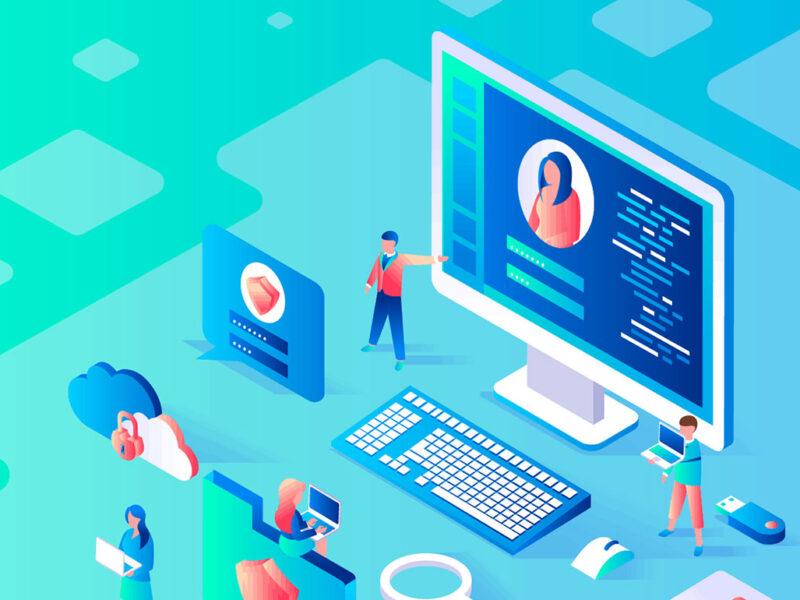
For startups, the value shows up in what you stop doing: chasing timesheets, recalculating loss of pay, answering "can you send my payslip again", and rebuilding the salary sheet every time someone joins mid-month. Employees answer those questions themselves through self-service, and payroll runs from the attendance data automatically. Affordable payroll software should not mean a cut-down product — statutory calculations for PF, ESI, professional tax and TDS are the same ones large customers use.
Everything you need to manage your workforce
Best HRMS for Small Business: what to rule out first
The best HRMS for small business is usually identified by elimination. Rule out anything with a per-company licence rather than per-employee pricing, because it charges a twenty-person team like a two-hundred-person one. Rule out anything requiring a server or an on-site installation, because there is nobody to maintain it. Rule out anything sold only as a full suite, because most of it will go unused while all of it is paid for.
What remains tends to be cloud software, priced per employee per month, with modules that switch on individually. HRMS for SMEs works on the same logic as everything else a small business buys: it should cost in proportion to its use and start returning time in the first month rather than the second quarter.

HR Software for Startups and Payroll Software for Small Business
HR software for startups has a different failure mode from enterprise software: not complexity but abandonment. A ten-person company can genuinely run on a spreadsheet, so a system only survives if it is faster than the spreadsheet on day one — which means self-service the team uses without training, and a payroll run that takes minutes.
Payroll software for small business has to be accurate on statutory deductions regardless of size, because PF, ESI, professional tax and TDS do not scale down. CharmHR applies them the same way for ten employees as for a thousand, which is what makes affordable HRMS software worth having: the price follows your headcount, the compliance does not.
Everything you need, nothing you don't
Pay for the team you have
Per-employee, per-month pricing with no server, licence or setup fee — the bill grows only as your headcount does.
Live in days, not quarters
Import your employee list from a spreadsheet, set your leave and salary rules, and start. No implementation project required.
No HR department needed
Designed to be run by a founder or office manager. Employees handle their own leave, payslips and details through self-service.
Start small, add modules
Begin with attendance and payroll; switch on recruitment, performance or analytics whenever the team is ready for them.
Hours back every month
Attendance, leave balances and salary calculations stop being manual, which is usually the first thing a growing team runs out of.
Scales past the awkward stage
The same system carries you from 10 to 500 employees, so you are not migrating platforms during your busiest growth year.
The spreadsheet jobs this replaces
Most small businesses are not looking for a transformation programme — they want a specific list of recurring chores to stop existing. These are the ones customers tell us disappeared in the first month.
Attendance notebooks and manual registers
Leave requests over WhatsApp and e-mail
Monthly salary spreadsheet rebuilt by hand
Payslips typed and sent individually
PF, ESI and PT worked out on a calculator
Tracking who is on leave this week
Employee documents in random folders
Chasing timesheets from field staff
Everything included in your CharmHR plan
Questions we get all the time
What is the best HRMS for a small business?
For most small businesses the best choice is the simplest system that still does payroll correctly — attendance, leave and salary in one place, priced per employee, and usable without training a specialist. CharmHR is built to that brief, and adds modules like recruitment and performance only when you need them.
How much does HR software cost for a small team?
CharmHR is charged per employee per month, so cost scales directly with headcount and there is no minimum server or licence outlay. A small team pays a small amount; see the pricing page for current plans, or contact us for a quote based on your exact headcount.
Do we need someone technical to set it up?
No. Setup is importing your employee list, defining your leave policy and salary structures, and inviting your team. It runs in the browser with nothing to install, and our team helps with the initial import and configuration.
Is it suitable for a startup with fewer than 20 employees?
Yes, and that is when it saves the most relative to effort — a founder or office manager stops spending evenings on attendance and salary calculations. The same account keeps working as you hire, so you do not have to switch systems later.
Can employees use it on their phones?
Yes. Employees mark attendance, apply for leave, view balances and download payslips from a phone through the self-service portal, which removes most routine HR admin from whoever is currently handling it.
What happens as we grow?
Nothing needs to change except the modules you switch on. Multi-branch support, shift rosters, recruitment pipelines, appraisals and analytics are already there, so the platform covers you well past the point where you hire a dedicated HR manager.